



What Is a Heart Attack?
A heart attack is one of the most time-critical events in medicine. The faster it is recognized and treated, the less damage the heart sustains. When recognition or treatment is delayed, the consequences can be severe, permanent, and sometimes fatal.
What Happens in the Heart
The heart muscle is supplied with oxygen-rich blood through the coronary arteries. A heart attack, known medically as a myocardial infarction (MI), occurs when a coronary artery becomes blocked, usually by the rupture of a fatty plaque lining the artery wall. When the plaque ruptures, a blood clot forms rapidly at the site, cutting off blood flow to the section of heart muscle downstream.
Without oxygen, heart muscle cells begin to die. This process, ischemia followed by infarction, affects the electrical and mechanical function of the heart. The longer the blockage persists, the greater the area of permanent damage. This is why the phrase “time is muscle” is central to everything in heart attack management.
STEMI vs. NSTEMI: Why the Distinction Matters
Not all heart attacks are the same, and the distinction between the two main types is critical to both treatment and legal analysis.
STEMI (ST-Elevation Myocardial Infarction)
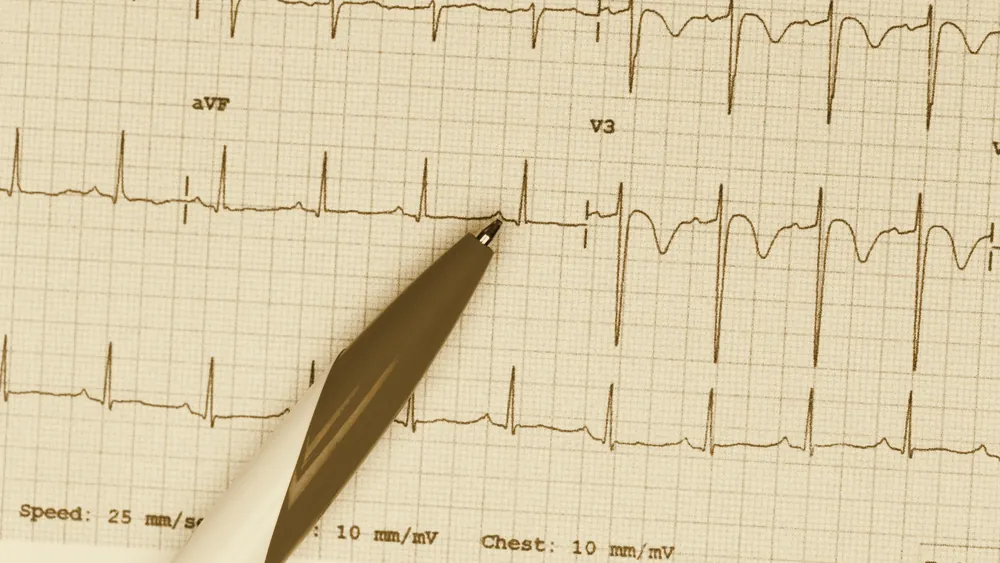
A STEMI occurs when there is a complete blockage of a coronary artery. It produces a distinctive pattern on an electrocardiogram (ECG), an elevation in the ST segment, that signals a total occlusion requiring immediate intervention. STEMI is the most urgent form of heart attack. The window for effective treatment is narrow, and the standard of care requires the fastest possible response.
NSTEMI (Non-ST-Elevation Myocardial Infarction)
An NSTEMI involves a partial blockage. The ECG changes may be subtler or absent. Blood tests measuring cardiac biomarkers, primarily troponin, are often the key to diagnosis. While NSTEMI is generally considered less immediately catastrophic than STEMI, it carries significant long-term mortality and requires urgent, structured management. Undertreating NSTEMI is a common and recognized source of malpractice claims.
The distinction between STEMI and NSTEMI determines which medications are appropriate, whether immediate catheterization is required, and whether thrombolytic therapy is indicated. Getting this distinction wrong, or missing the diagnosis entirely, can be fatal.
Unstable Angina and Acute Coronary Syndrome
The term acute coronary syndrome (ACS) covers the full spectrum of urgent coronary conditions, including STEMI, NSTEMI, and unstable angina (chest pain at rest or with minimal exertion, suggesting plaque instability without confirmed cell death). These conditions share a common underlying mechanism and are managed within the same urgent framework.
A provider who encounters a patient with symptoms consistent with ACS and fails to investigate promptly, misattributing the symptoms to a musculoskeletal problem, acid reflux, or anxiety, may be liable for the consequences if a heart attack follows.

What Harms Are Commonly Associated with Heart Attack Mismanagement?
When a heart attack is not recognized in time, diagnosed incorrectly, or managed with the wrong medications or delayed intervention, the damage extends far beyond what the heart attack itself would have caused with proper care. The following are the most common categories of harm seen in heart attack malpractice claims.
Permanent Cardiac Damage and Heart Failure
Heart muscle that dies during a heart attack does not regenerate. The larger the area of infarction, the greater the permanent reduction in the heart's pumping capacity. A patient whose diagnosis was delayed by hours may sustain significantly more myocardial damage than one who received prompt treatment.
When a meaningful area of the heart muscle is lost, the result can be heart failure, a chronic condition in which the heart cannot pump efficiently enough to meet the body's needs. Heart failure requires ongoing medication, limits physical activity, reduces quality of life, and significantly shortens life expectancy.
In a malpractice claim, the question is how much additional damage the patient sustained as a result of the negligence, compared to the damage they would have sustained with timely, appropriate care.
Arrhythmias and Sudden Cardiac Death
Damage to the heart's conduction system during a heart attack can cause dangerous and sometimes fatal rhythm disturbances (arrhythmias), including ventricular fibrillation and ventricular tachycardia. Some arrhythmias are a direct consequence of the infarction; others result from electrolyte imbalances, incorrect medications, or failure to monitor the patient appropriately during the acute phase.
A patient whose arrhythmia was not recognized and treated in time, or whose arrhythmia was precipitated by an inappropriate medication, may have grounds for a claim against the treating team.
Harm Caused by Incorrect Medication
This is a category of harm that deserves particular attention in heart attack cases. Because the management of a heart attack involves multiple medications with specific indications, timing requirements, and contraindications, medication errors represent a distinct and significant source of malpractice claims.
A medication that is appropriate for one patient may be dangerous or fatal for another. The obligation to carefully assess each patient before prescribing is not a formality, it is a core component of the standard of care. This category of harm is addressed in detail in Section 4.
Death
Heart disease is the second leading cause of death in Canada. When a heart attack is missed, when diagnosis is unreasonably delayed, or when the wrong treatment is given, a patient who might otherwise have survived may die. Where death is attributable to negligent care, the estate and surviving family members may bring a legal claim for compensation.
How Is a Heart Attack Supposed to Be Diagnosed and Treated?
Understanding what proper heart attack care looks like is the foundation of any malpractice claim. The standard of care is informed by clinical practice guidelines from the Canadian Cardiovascular Society (CCS), one of the primary authorities on cardiovascular care in Canada.
Recognizing the Symptoms
Classic heart attack symptoms include:
- Chest pain, pressure, squeezing, or discomfort, often radiating to the left arm, jaw, neck, or back
- Shortness of breath
- Diaphoresis (cold sweats)
- Nausea and vomiting
- Lightheadedness or syncope (fainting)
However, presentation is highly variable. Heart attacks in women, older adults, and people with diabetes can present atypically, with fatigue, nausea, shortness of breath, or vague discomfort that does not resemble the “textbook” chest pain picture. A physician who fails to consider a cardiac cause in a patient presenting with atypical symptoms, and sends them home without appropriate investigation, may be liable for the heart attack that follows.
A thorough history and physical examination are required. The HEART score, a validated clinical tool used in Canadian emergency departments to stratify the risk of a cardiac event in patients presenting with chest pain, combines History, ECG findings, Age, Risk factors, and Troponin results to guide decision-making.
Diagnostic Investigations: ECG and Cardiac Biomarkers
12-Lead Electrocardiogram (ECG)
An ECG is the first and most urgent investigation in any patient presenting with suspected cardiac symptoms. It should be obtained within 10 minutes of arrival in the emergency department. It provides a real-time map of the heart's electrical activity and is the primary tool for identifying STEMI, which requires an immediate and specific response.
However, a single normal ECG does not rule out a heart attack. ECG changes in NSTEMI may be subtle, non-specific, or absent. Serial ECGs, repeated over time, are often required. Relying on a single normal ECG to discharge a patient without further investigation is a recognized and recurring error in heart attack malpractice cases.
Cardiac Biomarkers: Troponin
Troponin is a protein released by damaged heart muscle cells into the bloodstream. Elevated troponin is the biochemical hallmark of myocardial infarction. High-sensitivity troponin assays can detect injury earlier than older tests, but interpretation requires context: the patient's symptom onset time, their baseline troponin level, and whether the result is rising or falling over serial measurements all matter.
A single normal troponin result taken too early after symptom onset may be falsely reassuring. The standard of care requires serial troponin measurements at appropriate intervals (typically 1, 3, or 6 hours after initial presentation, depending on the assay used and clinical context), along with serial ECGs and a thorough clinical assessment.
Treatment for STEMI
STEMI requires the fastest possible restoration of blood flow to the blocked artery. The two approaches are:
Percutaneous Coronary Intervention (PCI)
PCI, commonly called angioplasty, involves threading a catheter to the blocked artery, inflating a balloon to open it, and typically placing a stent to keep it open. Where a PCI-capable centre is available, PCI is the preferred treatment. Canadian guidelines from the CCS and CAIC specify target door-to-balloon times: ideally within 90 minutes of first medical contact for patients presenting directly to a PCI centre.
When a patient presents at a non-PCI centre, the guidelines address the decision between transferring for PCI and administering thrombolytic therapy on-site, with specific time-based thresholds for that decision. Delays in either initiating thrombolysis or arranging transfer for PCI can be the basis of a negligence claim.
Thrombolytic Therapy
When PCI is not available within the required time window, thrombolytic (clot-dissolving) medications may be administered to restore blood flow. The indications, contraindications, and timing requirements for thrombolytics in STEMI are addressed in detail in Section 4.
Treatment for NSTEMI
NSTEMI does not generally require the same immediate intervention as STEMI, but it still requires structured, time-sensitive management. The standard of care typically involves:
- Antiplatelet therapy initiated promptly (see Section 4 for detail)
- Anticoagulation
- Risk stratification to determine the urgency of angiography and potential revascularization
- Timely cardiology consultation
A recognized failure in NSTEMI management is under-treatment, the tendency to manage these patients less aggressively than STEMI patients despite the fact that their long-term mortality rates are comparable. Canadian clinical literature has specifically identified this “risk-treatment paradox” as a patient safety concern.
Supportive Care
Alongside specific cardiac treatment, the standard of care in heart attack management includes:
- Oxygen supplementation: Only for patients who are hypoxic. Routine oxygen in non-hypoxic patients is no longer supported by evidence and may be harmful.
- Blood pressure and heart rate monitoring: Continuous monitoring is expected to detect haemodynamic instability early.
- Fluid management: Important in right ventricular infarction, where the treatment approach differs from standard left-sided MI management.
- Monitoring for mechanical complications: Including papillary muscle rupture, ventricular septal defect, or free wall rupture, rare but catastrophic complications of delayed or missed treatment.

Medications Used in Heart Attack Care: What Can Go Wrong
Medication management in heart attack care is an area where errors are both common and legally significant. The drugs used to treat heart attacks are powerful. Many of them carry serious risks if given to the wrong patient, at the wrong time, in the wrong dose, or without accounting for contraindications. The source material for this guide specifically identifies this as an area that deserves careful attention.
Why Medication Decisions Matter Legally
In Canadian medical malpractice law, a physician who prescribes a medication without adequately assessing whether it is appropriate for that specific patient, accounting for their current clinical state, other medications, organ function, and known contraindications, may be found to have breached the standard of care.
Health Canada approves medications for specific indications and requires that product monographs (the official prescribing information) include clear contraindications, warnings, and precautions.
The Canadian Cardiovascular Society publishes clinical practice guidelines that define the standard of care for medication use in acute coronary syndrome. Departing from these guidelines without a documented clinical rationale can be evidence of negligence.
The following medications are central to heart attack management. Each has specific circumstances in which it can cause serious harm.
Antiplatelet Agents
Antiplatelet medications prevent further clot formation by inhibiting the aggregation of platelets in the blood. They are among the most important drugs in heart attack management and are required in almost all cases of ACS.
Aspirin (Acetylsalicylic Acid / ASA)
Aspirin is the cornerstone of ACS treatment. It should be given to essentially all patients with suspected ACS as quickly as possible unless the patient has a documented allergy. The CCS antiplatelet therapy guidelines recommend 160 to 325 mg given promptly.
Failing to give aspirin to an eligible ACS patient is one of the most clearly indefensible omissions in heart attack care. On the other hand, aspirin carries a bleeding risk. Giving it to a patient who is actively bleeding or who has had a recent hemorrhagic stroke represents a risk that must be weighed.
P2Y12 Receptor Inhibitors: Clopidogrel, Ticagrelor, Prasugrel
These drugs are given alongside aspirin in a regimen called dual antiplatelet therapy (DAPT) and are standard of care following ACS or the placement of a coronary stent. They work by blocking a different platelet receptor (the P2Y12 receptor) to provide additional protection against clot formation.
The CCS antiplatelet therapy guidelines recommend ticagrelor or prasugrel preferentially over clopidogrel for most ACS patients undergoing PCI, as the evidence supports their greater potency and improved outcomes in this setting.
How errors occur:
- Failing to prescribe dual antiplatelet therapy at all after a stent is placed
- Using clopidogrel when ticagrelor or prasugrel was indicated and not contraindicated, departing from the CCS guideline recommendation
- Prescribing prasugrel to a patient with a prior stroke or TIA, for whom it is absolutely contraindicated due to a significantly elevated risk of intracranial bleeding
- Prescribing prasugrel to patients over 75 years of age or weighing less than 60 kg without clear clinical justification, as these groups have reduced benefit and higher bleeding risk
- Failing to continue DAPT for the guideline-recommended duration after stent placement, typically 12 months, increasing the risk of stent thrombosis
- Premature discontinuation of antiplatelet therapy before surgery without appropriate consultation, leading to stent thrombosis
All P2Y12 inhibitors significantly increase bleeding risk. Prescribing them without reviewing a patient's bleeding history, recent surgery, or coagulation status can cause severe hemorrhagic complications.
Anticoagulants: Heparin and Beyond
Anticoagulants work differently from antiplatelet agents: they interrupt the clotting cascade rather than platelet function. They are used alongside antiplatelet agents in ACS management to prevent further clot propagation.
Unfractionated Heparin (UFH) and Low Molecular Weight Heparin (LMWH)
Both forms of heparin are used in ACS. The choice between them depends on the clinical context, planned procedures, and renal function. LMWH (most commonly enoxaparin in Canada) is Health Canada-approved for ACS and is generally preferred in NSTEMI managed without immediate PCI, due to practical dosing advantages.
How errors occur:
- Incorrect dosing of heparin relative to body weight
- Failing to adjust LMWH dosing in patients with significant renal impairment, in whom the drug accumulates and dramatically increases bleeding risk
- Giving anticoagulants to patients with active major bleeding or in whom anticoagulation is clearly contraindicated
- Failing to monitor anticoagulant effect in patients receiving UFH, where activated partial thromboplastin time (aPTT) monitoring is required
Newer Oral Anticoagulants (DOACs)
While direct oral anticoagulants such as rivaroxaban, apixaban, and dabigatran have roles in some cardiac conditions, their use in the acute phase of a heart attack requires careful consideration of context. Health Canada’s approved prescribing information and CCS guidelines specify doses and conditions; prescribing doses higher than those studied in clinical trials is associated with increased bleeding and mortality.
Thrombolytics (Fibrinolytics): tPA, Tenecteplase, Reteplase
Thrombolytic medications, including tenecteplase (TNKase), reteplase (Rapilysin), and alteplase (tPA), dissolve blood clots by activating plasminogen, a naturally occurring clot-breaking protein. In STEMI, when PCI is not available within the appropriate time window, these drugs can be life-saving.
They are, however, among the most dangerous medications in clinical use. Giving a thrombolytic to the wrong patient can cause catastrophic and fatal bleeding, particularly inside the brain.
Absolute contraindications to thrombolytic therapy in STEMI include:
- Any prior hemorrhagic stroke
- Ischemic stroke within the past 3 months
- Active internal bleeding (other than menstrual bleeding)
- Suspected aortic dissection (in which thrombolytics can be immediately fatal)
- Significant closed-head injury or facial trauma within the past 3 months
- Intracranial tumour or arteriovenous malformation
Relative contraindications requiring careful assessment include:
- Uncontrolled severe hypertension (systolic greater than 180 mmHg)
- Current anticoagulant therapy with elevated bleeding markers
- Traumatic or prolonged resuscitation
- Major surgery within the preceding 3 weeks
- Active peptic ulcer disease
- Pregnancy
How errors occur:
- Giving thrombolytics to a STEMI patient who has an absolute contraindication, resulting in intracranial hemorrhage or other fatal bleeding
- Giving thrombolytics when PCI was available and should have been used
- Failing to give thrombolytics in a timely manner when PCI was not available and the patient was eligible, resulting in extended ischemia and greater infarct size
- Giving thrombolytics to a patient with NSTEMI or a non-cardiac diagnosis
- Failing to check for contraindications before administering the drug
Beta-Blockers
Beta-blockers reduce the heart's workload by slowing the heart rate and lowering blood pressure. In the post-heart attack setting, they reduce the risk of arrhythmia, limit infarct extension, and improve long-term outcomes in patients with reduced heart function. They are recommended by the CCS for most ACS patients without contraindications.
The critical safety issue is that beta-blockers are contraindicated in the acute phase of a heart attack in patients who are already showing signs of:
- Heart failure or pulmonary oedema
- Low cardiac output or cardiogenic shock
- Severe bradycardia (heart rate below 60 beats per minute)
- Second- or third-degree heart block
- Severe reactive airway disease (such as active asthma)
- Low blood pressure (systolic below 90-100 mmHg)
In a patient who is haemodynamically unstable, whose heart is already failing to pump adequately, giving a beta-blocker can further suppress cardiac output and precipitate or worsen cardiogenic shock, a life-threatening emergency.
How errors occur:
- Giving a beta-blocker to a patient in cardiogenic shock or acute heart failure without recognizing those findings on assessment
- Failing to give a beta-blocker to an eligible patient who would have benefited from arrhythmia protection and infarct-limiting effects
- Continuing a beta-blocker in a patient whose condition deteriorates to haemodynamic instability without adjusting the medication accordingly
Nitroglycerin (Nitrates)
Nitroglycerin is a vasodilator that reduces the heart's oxygen demand by dilating blood vessels, relieving chest pain and reducing cardiac workload. It is commonly used for symptom relief in ACS. However, it must not be given in several specific circumstances:
- Systolic blood pressure below 90 mmHg: Nitroglycerin drops blood pressure further and can cause cardiovascular collapse in a haemodynamically unstable patient.
- Right ventricular infarction: Patients with right-sided heart attacks are dependent on adequate preload (blood returning to the heart). Nitroglycerin reduces preload and can cause immediate and severe hypotension. Right-sided MI must be specifically identified with a right-sided ECG lead before nitroglycerin is considered.
- Recent use of PDE-5 inhibitors (e.g., sildenafil/Viagra, tadalafil/Cialis): The combination of nitroglycerin and these drugs causes severe and potentially fatal hypotension. Asking about recent use is a required part of the pre-treatment history.
How errors occur:
- Giving nitroglycerin to a patient in whom right ventricular infarction has not been ruled out, causing cardiovascular collapse
- Giving nitroglycerin to a patient who has recently taken a PDE-5 inhibitor
- Giving nitroglycerin to a severely hypotensive patient without identifying the cause of the hypotension first
Morphine
Morphine was historically given routinely to heart attack patients for pain relief under the MONA protocol (Morphine, Oxygen, Nitroglycerin, Aspirin). The Canadian Journal of Cardiology has published commentary questioning the routine use of morphine in ACS, noting that its use is supported by substantially less evidence than aspirin, and that there are potential harms.
Evidence suggests that morphine can interfere with the absorption of oral antiplatelet agents (particularly clopidogrel and ticagrelor), reducing their effectiveness at a critical time. Large retrospective studies have also raised concerns that morphine may increase mortality in MI patients, though the evidence remains the subject of active debate.
Morphine remains an appropriate choice for severe pain when other measures have not provided relief, but it should no longer be given automatically to all chest pain patients without considering these risks.
Contraindications to morphine include:
- Known allergy
- Significant hypotension
- Bradycardia
- Altered level of consciousness
How errors occur:
- Giving morphine routinely, suppressing antiplatelet drug absorption at the time it matters most
- Giving morphine to a hypotensive or bradycardic patient, worsening their haemodynamic status
- Relying on morphine for pain control when it masked symptom progression that required escalation of care
ACE Inhibitors and ARBs
ACE inhibitors (such as ramipril, enalapril, and lisinopril) and ARBs (such as candesartan and valsartan) are recommended after heart attack in patients with reduced ejection fraction (impaired heart pumping function), diabetes, or high blood pressure. They protect the weakened heart from further remodelling and reduce mortality in appropriate patients.
They must not be given in the acute phase of a heart attack to:
- Patients in cardiogenic shock or severe hypotension
- Patients with significant renal failure or bilateral renal artery stenosis
- Pregnant patients (they are contraindicated in pregnancy and cause fetal harm)
How errors occur:
- Prescribing an ACE inhibitor to an acutely hypotensive patient, precipitating kidney injury or cardiovascular collapse
- Failing to prescribe an ACE inhibitor to an eligible post-MI patient with reduced heart function, denying them the documented mortality benefit
- Failing to monitor renal function after initiation in a patient with pre-existing kidney disease
Statins
High-intensity statin therapy, using drugs such as atorvastatin (Lipitor) or rosuvastatin (Crestor) at high doses, is recommended for all eligible patients following ACS to stabilize plaque, reduce inflammation, and lower the risk of recurrent cardiovascular events. The CCS and Health Canada both support early high-intensity statin use after MI.
How errors occur:
- Failing to prescribe a statin at discharge after MI, or prescribing a low-intensity statin when high-intensity therapy is indicated
- Prescribing statins without considering drug interactions in patients on medications that significantly increase statin levels, raising the risk of rhabdomyolysis (muscle breakdown)
What the Canadian Standard Requires
The overarching principle in medication management during a heart attack is that the treating physician must think carefully about the individual patient before prescribing. The physician source material for this guide summarizes this obligation clearly: before ordering cardiac medications, a doctor must spend the time to assess the patient's complete clinical picture, their haemodynamic status, other medications, organ function, and medical history.
A review of clinical records that shows a dangerous medication was given without documentation of an assessment for contraindications is a significant evidentiary finding in a malpractice case. Equally, a record that shows a medication was withheld without documented clinical reasoning, where the standard of care would have required it, can also support a claim.
Expert cardiologists and emergency medicine specialists will review the complete medication record as a primary area of scrutiny in any heart attack malpractice case.

How Do I Know If a Heart Attack Outcome Was Due to Negligence or Medical Malpractice?
A bad outcome after a heart attack does not automatically mean that someone was negligent. Heart disease can cause devastating harm even in the setting of optimal care. The legal question is whether the care provided met the accepted standard, and whether any failure to meet that standard made the outcome worse.
What Is the Standard of Care in Heart Attack Management?
The standard of care is what a reasonably competent practitioner in the same specialty, emergency medicine, cardiology, internal medicine, or general practice, would have done in the same clinical circumstances. It is informed by the clinical practice guidelines of the Canadian Cardiovascular Society, the position statements of Heart & Stroke Canada, and the approved prescribing information issued by Health Canada.
The standard applies across the full chain of care, from the paramedics who assess the patient in the field, to the emergency physician who orders the initial investigations, to the cardiologist responsible for intervention decisions and medication management. Failures at any link in that chain can give rise to a claim.
Negligence in Diagnosis
Failure to consider a cardiac diagnosis
A physician who does not include acute coronary syndrome in the differential diagnosis of a patient presenting with chest pain, shortness of breath, or atypical symptoms in a person with cardiac risk factors, may be found negligent, particularly if the patient deteriorates after being sent home without investigation.
Failure to perform or interpret an ECG appropriately
An ECG must be performed within 10 minutes of arrival for any patient with possible ACS. Misreading the ECG, failing to recognize ST elevation, or failing to perform serial ECGs when the initial one is inconclusive are all documented and litigated failures.
Failure to perform serial troponin testing
Discharging a patient after a single troponin result without appropriate serial testing and clinical reassessment, particularly where the patient has ongoing symptoms or significant risk factors, is a recognized breach of the standard of care.
Failure to refer or escalate
A physician at a community hospital or walk-in clinic who sees a patient with concerning symptoms and does not arrange timely investigation or hospital transfer may be found to have breached their duty of care.
Negligence in Treatment and Intervention Timing
Delay in PCI
Where a patient with STEMI presents to a PCI-capable centre, the door-to-balloon time is a critical quality metric. Failure to achieve timely revascularization due to avoidable in-hospital delays, delayed ECG, delayed catheterization lab activation, inadequate staffing, may be grounds for a claim against the institution and responsible providers.
Failure to give thrombolytics when PCI was unavailable
Where PCI was not available within the required time window and the patient was an appropriate candidate for thrombolytics, failure to administer them promptly, or at all, can constitute negligence.
Failure to transfer for PCI
When a patient presents to a non-PCI centre and the transfer time is acceptable, the standard of care requires a prompt transfer decision. Delay in recognizing the need for transfer, or administrative delays in arranging it, can extend ischemia and worsen outcome.
Negligence in Medication Management
As set out in detail in Section 4, medication errors in heart attack care form their own category of negligence claims. The most common legally significant medication failures include:
- Withholding aspirin from an eligible patient without documented justification
- Failing to prescribe DAPT after coronary stenting, leading to stent thrombosis
- Giving thrombolytics to a patient with an absolute contraindication
- Giving beta-blockers to a patient in cardiogenic shock or acute heart failure
- Giving nitroglycerin to a patient with right ventricular infarction or recent PDE-5 inhibitor use
- Giving morphine without assessing for haemodynamic contraindications
- Failing to prescribe evidence-based secondary prevention medications at discharge (statins, beta-blockers, ACE inhibitors), denying the patient documented mortality benefit
Proving Causation in Heart Attack Cases
As in all medical malpractice claims, proving that the negligence caused the harm is the most contested issue in heart attack litigation. The defendant will typically argue that the patient's outcome reflects the natural history of the disease rather than any failing in care.
The central question is: what would the patient's outcome have been if proper care had been given? This requires expert evidence from cardiologists on:
- What the likely extent of myocardial damage would have been with timely treatment
- Whether the arrhythmia, heart failure, or death was caused by the delay or error, or was an unavoidable consequence of the extent of the original infarction
- In medication error cases, the pharmacological mechanism by which the drug caused or worsened the outcome, and whether an appropriate assessment for contraindications would have identified the risk
Cases involving delayed diagnosis, where a patient was sent home from the emergency department and subsequently suffered a major heart attack, involve expert evidence on what the likely outcome would have been had the patient been retained, investigated, and treated at the point of first presentation.

Will a Doctor or Hospital Tell Me If Negligence Occurred?
In most cases, not directly. Canadian healthcare providers have a duty of candour and should disclose adverse events to patients and families in a timely way, in accordance with the guidelines of the Canadian Patient Safety Institute (CPSI).
In practice, disclosure means acknowledging that an adverse outcome occurred and expressing concern. It does not typically include a statement that negligence caused the harm. There are several reasons for this:
- Treating physicians receive support from the Canadian Medical Protective Association (CMPA), which advises caution around statements of fault.
- Causation in heart attack cases is genuinely complex. Even providers who feel that everything was done correctly may believe, in good faith, that the outcome reflected the severity of the disease.
- Institutional incident reporting processes are internal quality tools and are not routinely shared with patients.
You do not need a provider to confirm fault before taking steps to protect your rights. You can request your records, seek a second medical opinion, and speak with a medical malpractice lawyer at any time.
You may also file a complaint with the relevant provincial regulatory college:
- Nova Scotia: College of Physicians and Surgeons of Nova Scotia
- New Brunswick: College of Physicians and Surgeons of New Brunswick
- Prince Edward Island: College of Physicians and Surgeons of PEI
- Newfoundland and Labrador: College of Physicians and Surgeons of NL
A regulatory complaint is separate from a legal claim and does not extend your limitation period, but it can produce independent findings about the care provided.

What Are the Statutes of Limitations for Filing a Heart Attack Malpractice Claim?
A limitation period is the legal deadline by which a claim must be started in court. Missing this deadline generally ends the right to sue, regardless of the strength of the underlying case.
General Limitation Periods in Atlantic Canada
Each Atlantic province has its own limitations legislation. These limitations come from each province's respective “Limitation of Actions Act”.
Nova Scotia
The Limitation of Actions Act (SNS 2014, c 35) sets a basic limitation period of 2 years from the date the claim was discovered, with an ultimate period of 15 years from the negligent act or omission.
New Brunswick
The Limitation of Actions Act (SNB 2009, c L-8.5) sets a 2-year basic limitation period from discovery, with an ultimate period of 15 years.
Prince Edward Island
The Statute of Limitations (RSPEI 1988, c S-7) provides a 2-year period for personal-injury and negligence claims (s. 2(1)(d)). Courts apply discoverability principles to determine when time begins to run.
Newfoundland and Labrador
The Limitations Act (SNL 1995, c L-16.1) provides a general 2-year period from the date of discovery.
The Discoverability Principle
The limitation clock does not necessarily start on the day of the heart attack. Under the discoverability principle, time begins to run when the claimant knew or reasonably ought to have known:
- That an injury occurred
- That it may have been caused by an act or omission of a healthcare provider
- That a legal claim was potentially available
In heart attack cases, this may be the day the patient was discharged from hospital, the date a second cardiologist reviewed the records and identified a concern, or the date a lawyer or expert confirmed that the care fell below the standard. The date of discoverability is a factual question that can significantly affect when the limitation period starts.
Claims on Behalf of a Deceased Person
Where the heart attack led to death and the family believes negligence contributed, the estate may bring a claim for harm suffered before death. Surviving dependants may bring separate claims under provincial fatal accidents and wrongful death legislation. Limitation periods for these claims have their own rules that may differ from the general periods above.

What Are the Damages and Compensation Amounts Typical for Heart Attack Malpractice Claims in Canada?
Heart attack malpractice cases can result in substantial compensation awards, particularly where the patient has been left with permanent cardiac impairment, has lost the ability to work, or has died. The following outlines the categories of damages available under Canadian law.
Types of Damages
Non-Pecuniary General Damages (Pain and Suffering)
These compensate the patient for physical pain, emotional suffering, and loss of enjoyment of life. For a patient left with chronic heart failure, severe activity limitation, or requiring a heart transplant evaluation because of preventable infarct extension, these losses can be profound.
Pecuniary Special Damages (Out-of-Pocket Losses)
These cover actual financial losses already incurred, including:
- Medical expenses not covered by provincial health insurance
- Cardiac rehabilitation costs
- Medications, assistive devices, and home modifications
- Travel to specialist appointments
Future Care Costs
A life care planner prepares a projection of the patient's anticipated lifetime care needs. In serious cases, for example, a patient with severe heart failure requiring ongoing specialist management, multiple hospitalizations, or cardiac device implantation, these costs can be substantial.
Loss of Income and Earning Capacity
Where the patient cannot return to work or their earning capacity is significantly reduced, past lost wages and the present value of future lost income are compensable.
Loss of Housekeeping Capacity
Where the patient's cardiac limitations prevent independent management of household tasks, the reasonable cost of those services may be awarded.
Claims by Family Members
Spouses and other dependants may have claims under provincial legislation for loss of care, guidance, and companionship. In care-giving cases, compensation may also be available for family members who have taken on significant care responsibilities as a result of the patient's cardiac disability.
The Cap on Non-Pecuniary Damages
As established by the Supreme Court of Canada in the 1978 damages trilogy (Andrews v Grand & Toy Alberta Ltd.; Thornton v Board of School Trustees; Arnold v Teno), non-pecuniary damages for pain and suffering are subject to a cap, currently approximately $430,000 to $450,000 adjusted for inflation to the mid-2020s.
This cap applies only to pain and suffering. Future care costs and pecuniary losses are not capped, and in serious cases the total award may be significantly higher.
Fatal Cases and Dependency Claims
Where negligence contributed to a patient's death from a heart attack, the estate may claim for the pain and suffering endured before death and funeral and related expenses. Dependants, including spouses, children, and in some provinces parents, may claim for their financial and personal losses under provincial fatal accidents legislation. The value of these claims depends on factors including the deceased's income, age, the nature of the dependency, and the ages of surviving dependants.

How Much Does It Cost to Pursue a Heart Attack Malpractice Claim in Canada?
Heart attack malpractice cases require cardiology experts, emergency medicine specialists, life care planners, and extensive record review, and often take several years before resolution. For most families, however, the cost structure of medical malpractice law means that pursuing a legitimate claim does not require significant payment upfront.
Contingency Fee Arrangements
The vast majority of medical malpractice cases in Canada, including heart attack malpractice claims, are handled on a contingency fee basis. The lawyer is paid a percentage of the final recovery. If the case does not succeed, no legal fee is owed.
Contingency fees in medical malpractice cases in Atlantic Canada typically range from 25% to 33% of the final recovery. The arrangement must be set out in a written agreement. This structure means that access to experienced legal representation is not dependent on a family's ability to fund the litigation themselves.
Disbursements and Expert Costs
Separate from the legal fee, disbursements are the out-of-pocket costs of running the litigation. In a heart attack malpractice case, these typically include:
- Cardiologist and emergency medicine expert reports (commonly $10,000 to $30,000 or more each, depending on scope)
- Life care planning reports
- Medical record retrieval costs
- Court filing fees
- Examination for discovery transcript costs
- Travel for experts and counsel
Most firms working on contingency advance these costs on behalf of the client, to be repaid from the recovery at the end of the case. Families should confirm this arrangement in writing before retaining counsel.
What Happens If You Lose?
Canadian civil litigation generally provides that an unsuccessful party may be ordered to pay a portion of the successful party's legal costs. This adverse costs risk is a real consideration in deciding whether to proceed to trial or accept a settlement. A good lawyer will be frank with you about this risk at each stage of the litigation.
How Long Does a Heart Attack Malpractice Case Typically Take in Canada?
Heart attack malpractice cases, like most medical negligence claims, take years to resolve. Understanding the process helps families prepare for what is genuinely a demanding journey.
Stages of a Claim
Stage 1: Initial Consultation and Case Evaluation (1 to 3 months)
The lawyer reviews available records and preliminary information to assess whether there is a reasonable basis to proceed. Some firms engage a cardiologist or emergency medicine consultant at this stage before committing to a full investigation.
Stage 2: Record Collection and Expert Review (6 to 18 months)
Obtaining the complete medical record, ECG tracings, troponin and lab results, emergency department notes, cardiology consultation records, catheterization reports, medication administration records, and nursing notes, is the foundation of the case. Expert review of these records by qualified cardiologists and emergency medicine specialists is required before filing a claim.
Stage 3: Issuing the Statement of Claim
Once expert evidence supports the claim, a Statement of Claim is filed and served, formally initiating court proceedings and stopping the limitation clock.
Stage 4: Pleadings and Discoveries (1 to 2 years)
The defendants file a Statement of Defence. Both parties exchange documentary evidence and conduct examinations for discovery of key witnesses including emergency physicians, cardiologists, nurses, and expert witnesses. Medication management and ECG interpretation are often central to these examinations.
Stage 5: Pre-Trial Mediation and Negotiation (ongoing)
Settlement discussions are most productive after discoveries, when both sides have a full picture of the evidence. Many provinces require formal mediation before a matter can proceed to trial.
Stage 6: Trial (if settlement is not reached)
Trials in heart attack malpractice cases typically run from two to four weeks. Trial dates in Atlantic Canada can be difficult to obtain quickly, and it is common for a trial date to be set two to three years after the completion of discoveries.
When Settlements Are Most Likely
Most medical malpractice cases that proceed past expert review resolve by settlement. Settlements are most likely:
- After examinations for discovery, when both sides have fully assessed their positions
- Following formal mediation, where a neutral facilitator helps both parties work toward a negotiated resolution
- In the period immediately before trial
Any settlement involving a patient with diminished capacity, or an estate claim, may require court approval to ensure the interests of the claimant are protected.
The Reality of Protracted Litigation
From initial consultation to final resolution, a heart attack malpractice case will typically take four to seven years. Causation disputes are frequently the most contested and time-consuming part of the litigation, as the defence often argues that the patient's outcome reflected the severity of their underlying coronary disease rather than any failure in care. Medication error claims may require pharmacological expert testimony in addition to cardiology evidence.
As illustrated in causation disputes addressed in Uribe v Tsandelis (2019 ONSC) and Cheung v Samra (2018 ONSC), even well-founded cases can face procedural complexities that extend the timeline. Going in with realistic expectations, and with experienced legal counsel, makes the process more navigable.

Things to Consider When Choosing a Lawyer for a Heart Attack Malpractice Claim
Heart attack malpractice is a highly specialized area. The medical evidence is complex, the expert requirements are demanding, and the legal framework requires deep familiarity with the standard of care in emergency and cardiovascular medicine.
Experience in cardiovascular or cardiac malpractice
Ask directly whether the lawyer has handled heart attack or acute coronary syndrome malpractice cases and what those outcomes were. General personal injury experience does not prepare a lawyer to critically evaluate an ECG record, a troponin trend, or a cardiologist's decision about PCI timing.
Access to qualified cardiology and emergency medicine experts
These cases are built on expert evidence. Ask whether the lawyer has established working relationships with qualified cardiologists and emergency medicine specialists, and whether they have experience presenting complex cardiac evidence in court.
Understanding of the medication issues
Given that medication errors are a distinct and significant source of claims in heart attack cases, ask whether the lawyer understands the standard of care around the specific drugs involved in your situation, and whether they have access to pharmacology expertise if needed.
Resources to sustain multi-year litigation
Expert reports in cardiovascular malpractice cases can be costly. Ask how the firm handles disbursements and what your exposure is if the case is unsuccessful.
Honest assessment and clear communication
A good lawyer will review the records thoroughly before advising you to proceed, give you a frank assessment of both the strengths and weaknesses of your case, and communicate clearly at every stage. In Khan v Lee (2014 ONSC), inadequate pre-filing preparation led to dismissal, an outcome that proper case evaluation is specifically designed to avoid.
Written fee agreement
Ensure that the contingency fee, disbursement terms, and adverse costs risk are clearly set out in writing before signing.
References and Additional Support Resources
References Used in This Guide
Legal Texts and Case Law
- Robertson & Picard, Legal Liability of Doctors and Hospitals in Canada (5th ed.)Irwin Law, 2017
- Donoghue v Stevenson [1932] AC 562 (House of Lords)
- Andrews v Grand & Toy Alberta Ltd [1978] 2 SCR 229
- Wilton v Genik [1995] ONCA
- Suwary v Librach, 2015 ONSC
- Miller et al v Dow et al, 2017 NBQB
- Khan v Lee, 2014 ONSC
- Uribe v Tsandelis, 2019 ONSC
- Cheung v Samra, 2018 ONSC
- Ter Neuzen v Korn [1995] 3 SCR 674
Canadian Clinical Guidelines and Regulatory Sources
- Canadian Cardiovascular Society, Guidelines Library (ACS, Antiplatelet Therapy, Heart Failure)
- CCS/CAIC STEMI Guidelines 2019, Focused Update on Reperfusion
- CCS Antiplatelet Therapy Guidelines 2018
- CCS Heart Failure Guidelines 2017, Treatment (Beta-Blockers, ACE Inhibitors)
- Canadian Journal of Cardiology, The Demise of MONA
- Health Canada Drug Product Database
Provincial Limitations Legislation
- Nova Scotia Limitation of Actions Act (SNS 2014, c 35)
- New Brunswick Limitation of Actions Act (SNB 2009, c L-8.5)
- PEI Statute of Limitations (RSPEI 1988, c S-7)
- Newfoundland and Labrador Limitations Act (SNL 1995, c L-16.1)
Further Reading and Support Organizations
Patient Support and Information
- Heart & Stroke Foundation of CanadaInformation on heart attack, ACS, heart failure, and recovery
- Canadian Cardiovascular SocietyPatient information and resources
- Cardiac Health Foundation of CanadaSupport and programs for cardiac patients and families
- Mended Hearts CanadaPeer-to-peer support for heart patients
Patient Safety and Rights
- Canadian Patient Safety InstituteDisclosure of adverse events
- Patients for Patient Safety Canada
- CanLIIFree access to Canadian case law
Medical Records and Regulatory Complaints
- College of Physicians and Surgeons of Nova Scotia
- College of Physicians and Surgeons of New Brunswick
- College of Physicians and Surgeons of PEI
- College of Physicians and Surgeons of NL
Legal Research and Referral
Get in Touch
If you believe that you or a loved one has been harmed by negligence, send us a message. A member of our team will review your inquiry and follow up, usually within one business day.
