Criminal Malpractice Stories
Harrowing stories of the most egregious medical practices, ranging from catastrophic ignorance to malevolent criminal malpractice. These stories from history serve as a constant reminder that blind trust in a single medical practitioner's opinion can carry profound risks. Reader discretion is advised.
-
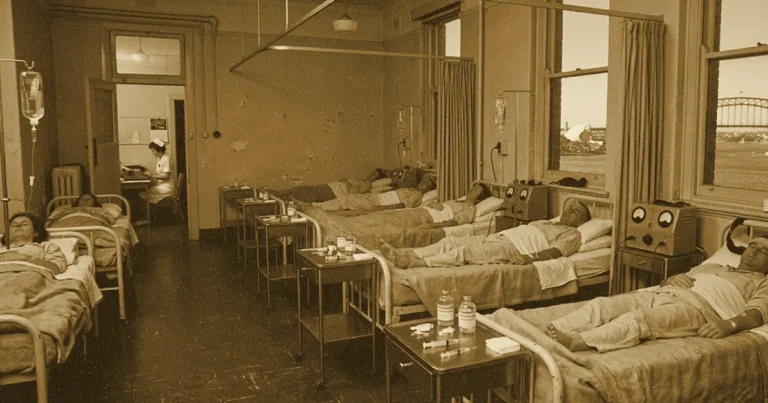
Deep Sleep: Harry Bailey and the Chelmsford Hospital Deaths That Took Two Decades to Reckon With
The procedure had a clinical name (deep sleep therapy) that suggested a careful scientific program designed to treat severe psychiatric illness. What it involved, in practice, was sedating patients into a coma-like state for weeks at a time using large doses of barbiturates, then delivering intensive electroconvulsive therapy while they were unconscious, on the theory […]
Read more -
The Magic Syringe: Efren Saldivar and the Hospital Deaths Nobody Could Explain
By the mid-1990s, the night staff at Glendale Adventist Medical Center in California had a name for something they did not fully understand. When Efren Saldivar was working the night shift, the death rate on his rounds was noticeably higher than on shifts without him. They called it his “magic syringe.” It was a dark […]
Read more -
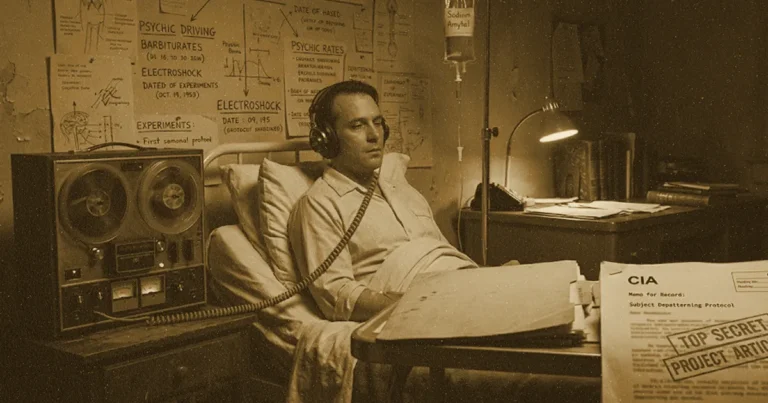
Erasing the Mind: Ewen Cameron, MK-Ultra, and the Patients Who Came In for Depression
A woman came to the Allan Memorial Institute in Montreal in the late 1950s with a relatively mild anxiety disorder. She was a nurse, functioning in her professional life, struggling with some personal difficulties. She was admitted. Over the weeks and months that followed, she was kept in a drug-induced sleep for up to twenty-two […]
Read more -
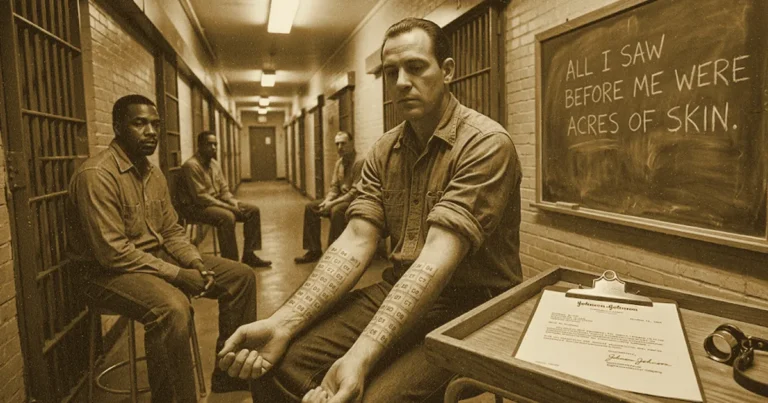
Acres of Skin: Albert Kligman and the Human Experiments at Holmesburg Prison
The dermatologist Albert Kligman made his first visit to Holmesburg Prison in Philadelphia in 1951 to treat an outbreak of athlete’s foot among the inmate population. By his own account, his reaction to the prison yard was not clinical or professional. He looked at the men assembled there and thought about what he was looking […]
Read more -
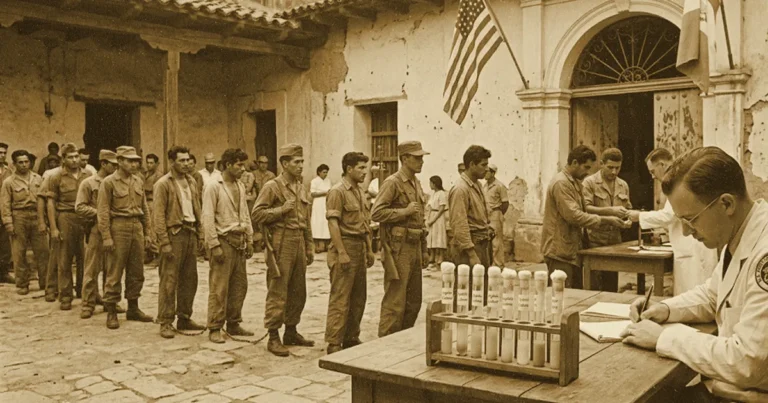
The Guatemala Experiments: John Cutler and the Syphilis Study That Stayed Secret for Sixty Years
In 1946, a United States Public Health Service physician named John Charles Cutler traveled to Guatemala with a research agenda that could not be pursued at home. Cutler wanted to study whether penicillin could prevent syphilis infection if administered immediately after exposure, and to answer that question he needed newly infected patients. The methodology he […]
Read more -
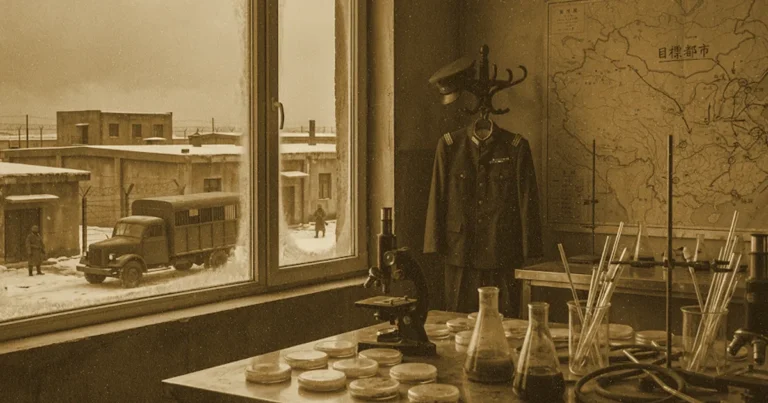
Unit 731: Shiro Ishii and the Biological Warfare Program the United States Agreed to Forget
In the Pingfang district of Harbin, in Japanese-occupied Manchuria, there once stood a complex of 150 buildings spread across six square kilometers, staffed by 3,000 personnel and capable of holding 600 prisoners at any given time for experimental use. The complex was known officially as the Epidemic Prevention and Water Purification Department of the Kwantung […]
Read more -
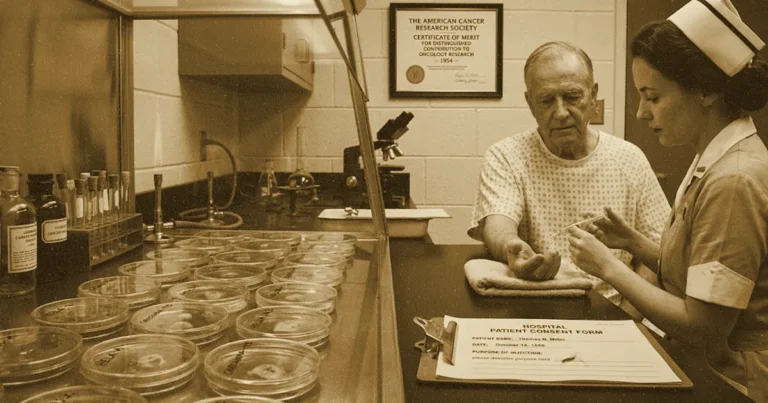
The Cancer Injections: Chester Southam and the Study That Changed the Law on Informed Consent
In 1963, three junior physicians at the Jewish Chronic Disease Hospital in Brooklyn walked out of their jobs rather than participate in an experiment their superior had asked them to help conduct. The experiment involved injecting elderly, debilitated patients with live cancer cells. The patients had not been told what was being injected. They had […]
Read more -
Acres of Men: Leo Stanley and the Testicle Transplants at San Quentin
In 1919, an international wire service described Dr. Leo Stanley as “an international figure in the surgical world through his successful operations in rejuvenating old and senile prisoners by transplanting the interstitial glands of murderers who have paid the law’s penalty.” It was a remarkable sentence to read in a newspaper: one California state physician […]
Read more -
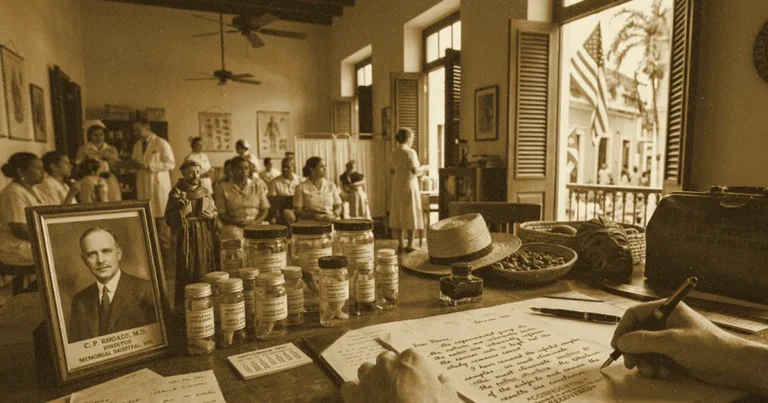
The Letter: Cornelius Rhoads, Puerto Rico, and the Cancer Researcher Who Appeared on the Cover of Time
In November 1931, a young cancer researcher from the Rockefeller Institute named Cornelius Packard Rhoads was working in Puerto Rico, studying anaemia in a population that had very few other medical resources available to them. He had been there for several months and was, by some accounts, unhappy with his situation. He wrote a letter […]
Read more